Discover why Kashmiri saffron — the “red gold” from Pampore — is being called a modern superfood. Science-backed benefits for mood, sleep, immunity, safe dosages, recipes and how to choose pure saffron
From Pampore to the Pantry: Why Kashmiri Saffron Deserves the “Superfood” Label
Kashmiri saffron has been prized for centuries for its aroma, colour and culinary magic. But in the last decade the spice has crossed over from luxury ingredient to evidence-backed wellness staple. Modern research highlights saffron’s unique mix of antioxidants (crocin, crocetin, safranal and picrocrocin) that appear to support mood, improve sleep quality and modulate immune and inflammatory responses — the three pillars people now look for in a superfood. PMC+1
What’s inside saffron? A quick science snapshot
Saffron’s benefits stem from its chemical profile:
- Crocin & Crocetin: water-soluble carotenoids responsible for saffron’s golden-red colour; strong antioxidant activity. PMC
- Safranal: volatile compound producing saffron’s aroma; studied for mood and sleep effects. PMC
- Picrocrocin: contributes to saffron’s bitter-sweet taste and may have biological activity.
This natural mix — not a single isolated molecule — is likely responsible for the broad, gentle benefits seen in human trials and reviews. PMC
Benefit 1: Mood support & mild antidepressant effects
Multiple randomized controlled trials and meta-analyses indicate saffron can improve mild-to-moderate depressive symptoms and anxiety in adults. Meta-analyses comparing saffron to placebo and, in some cases, to standard antidepressants show statistically meaningful improvements with typical doses (commonly 15–30 mg/day of saffron extract). Reviews conclude that saffron is a promising adjunct for mood support, likely via monoamine modulation and antioxidant/neuroprotective pathways. Frontiers+1
Practical takeaway: For mood support people in trials often used standardized saffron extracts equivalent to roughly 15–30 mg/day. Always consult a healthcare provider if you’re on prescription antidepressants (to avoid interactions). News-Medical
Benefit 2: Better sleep quality — growing clinical evidence
Sleep is one of the most searched wellness topics, and saffron is showing promise here too. Systematic reviews and randomized trials report improvements in sleep quality and duration among adults taking saffron supplements (most commonly over several weeks). A 2023 systematic review found consistent signals that saffron, its crocin and safranal components, can help sleep — and a 2025 decentralized RCT reported reduced insomnia and stress with 20–30 mg/day over four weeks. PMC+1
How to use it: Dissolve 4–6 saffron strands (or an extract dose equivalent) in warm milk or water before bed. For documented clinical effect, the extract doses mentioned above have the strongest evidence — whereas culinary use (a few strands) is excellent for ritual and mild benefit. JCSM
Benefit 3: Immune & anti-inflammatory support
Saffron’s antioxidants reduce oxidative stress and down-regulate inflammatory signals in preclinical studies; meta-analyses of animal and human data support saffron’s role in lowering oxidative markers. Emerging research also explores saffron’s immunomodulatory effects (e.g., influencing cytokines and T-cell differentiation) — a mechanism that could explain benefits observed in metabolic health, inflammation and even as an adjuvant in some therapies. While exciting, these uses are still evolving and require larger human trials. PMC+1
Practical takeaway: Use saffron as part of an antioxidant-rich diet (fruits, vegetables, turmeric, green tea) rather than as a standalone “immune cure.” It’s supportive, not curative.
How much saffron is safe? Dosage & precautions
- Common clinical doses: 15–30 mg/day of standardized saffron extract produce benefits in mood and sleep trials. Trials up to 30 mg/day report good tolerability. News-Medical+1
- Culinary use: A pinch (3–6 strands) per serving is typical and perfectly safe for most people.
- High doses to avoid: Very high doses (grams per day) can be toxic. Pregnant women should avoid saffron supplements (high doses may stimulate uterine contractions). Consult your physician if you’re pregnant, breastfeeding, on blood thinners or psychiatric medications. News-Medical
Easy ways to add Kashmiri saffron to your daily routine
- Saffron Golden Milk: Warm milk + 6–8 saffron strands + a pinch of cardamom. Let steep 10 minutes.
- Saffron Tea: Steep threads in hot water (5–10 min), add honey & lemon.
- Breakfast boost: Stir a few steeped strands into yogurt, porridge or chia pudding.
- Beauty ritual: Mix a tiny pinch with honey and apply as a short-term face brightening mask (spot test first).
- Sleep ritual: Warm milk with saffron and a touch of nutmeg before bed.
These culinary uses provide mild, pleasant benefits and are an easy, low-risk way to include saffron in wellness routines.
Choosing authentic Kashmiri saffron (buying tips)
Kashmiri saffron (Pampore) is prized for thicker stigmas, deep red colour and stronger aroma. To ensure authenticity:
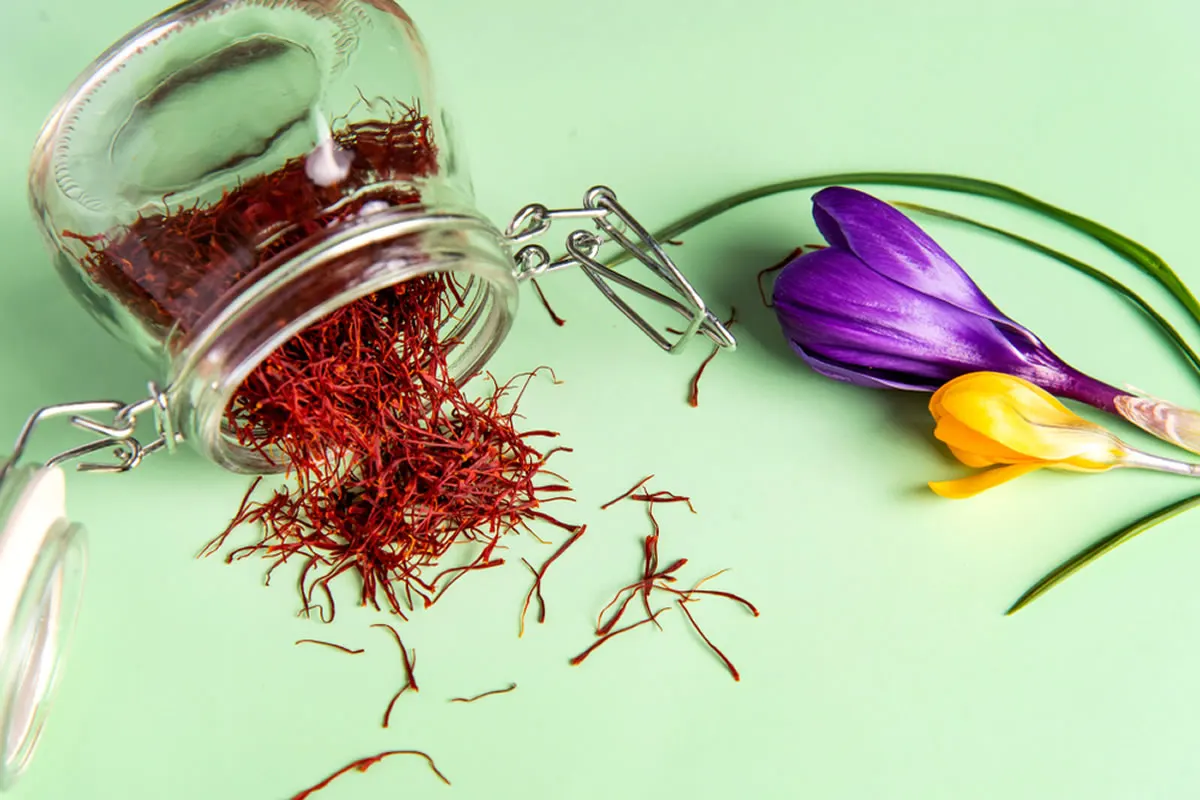
- Look for deep red threads with orange tips (no yellow filaments).
- Smell matters: genuine saffron has a fragrant, earthy scent (saffranal).
- Slow color release: real saffron releases colour gradually in warm water (not instantly like dyed fakes).
- Ask for origin & lab tests: GI-tagged Kashmiri saffron or lab results for crocin content are strong indicators of quality. PMC
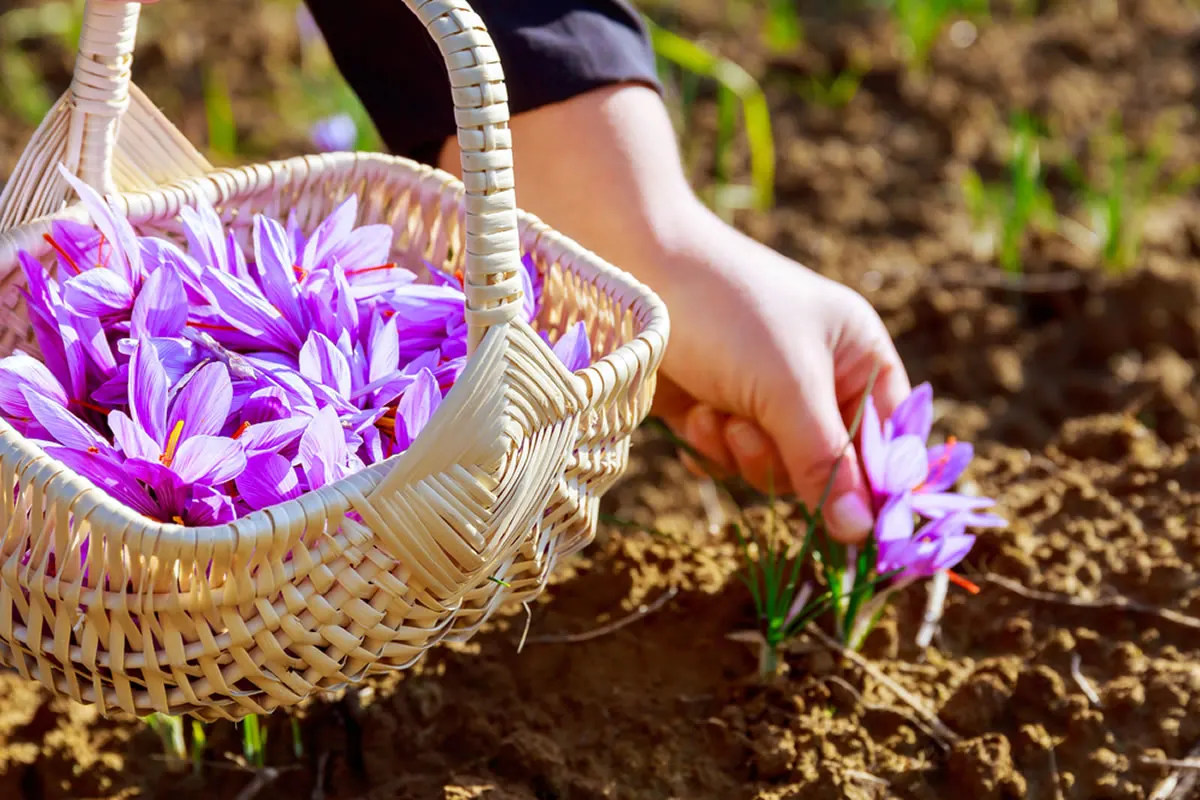
(Oasis Saffron tip: we harvest and process in Pampore and provide authenticity info with each product — consider adding photos and short videos of fields/harvest on product pages to increase buyer confidence.)
What the science still needs to prove
Research is promising but not finished. Many trials use standardized extracts rather than whole stigmas, sample sizes are modest, and longer-term safety/effectiveness data are limited for some conditions. Large, multi-centre randomized trials will strengthen recommendations and dosing clarity. Reviews urge cautious optimism — saffron looks supportive for mood, sleep and antioxidant protection, but it should complement (not replace) medical care. PMC+1
Quick FAQ
- Is saffron a drug? No — it’s a culinary spice with bioactive compounds; some extracts are standardized for clinical studies.
- How soon do effects show? In clinical trials, mood/sleep effects often appear within 2–12 weeks depending on dose and formulation. Frontiers+1
- Can children take saffron? Use with caution — follow pediatric guidance; culinary amounts are typically safe.
- Will it stain? Yes — saffron is a strong pigment; handle carefully.
Final thoughts: Why Kashmiri saffron fits today’s wellness story
Kashmiri saffron combines heritage, sensory pleasure and emerging clinical evidence. As modern wellness moves toward whole-food bioactives backed by trials, saffron — especially premium, traceable Kashmiri saffron — checks many boxes: small doses, potent antioxidants, culinary versatility, and growing proof for mood and sleep. That’s why today’s nutritionists, chefs and wellness seekers are calling it a superfood with history. PMC+1
Want to try authentic Kashmiri saffron?
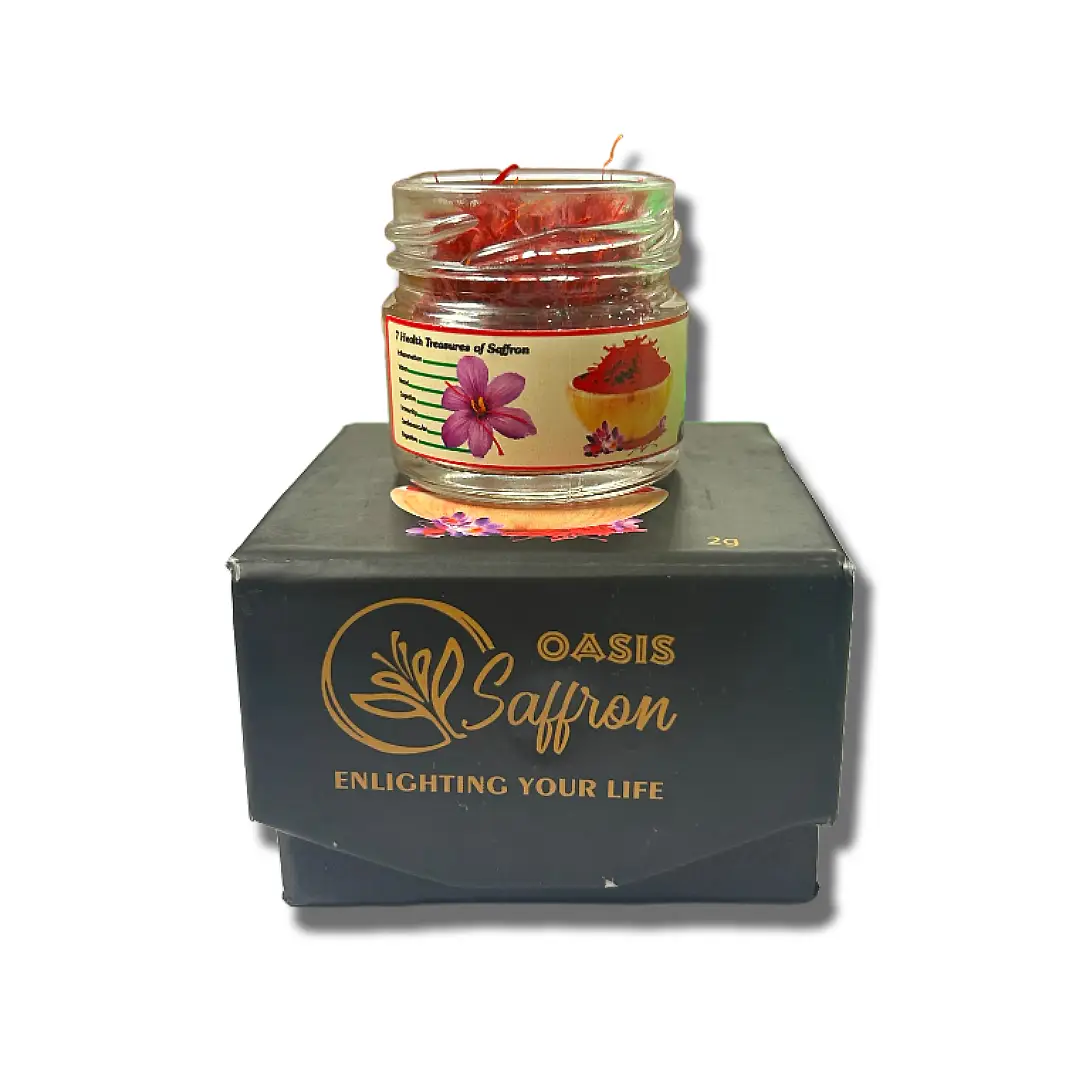
If you’d like to experience the benefits described here, explore our Oasis Saffron selection — Mongra, Negin and Lachha grades harvested in Pampore, carefully packed for freshness and purity. Shop our curated wellness bundles (golden milk sachets, sleep ritual kits) to make starting easy.
Shop now → www.oasissaffron.com